
 English
 العربية
 Français
 Português
 Español
 Uzbek
Uzbek
 Myanmar
Polyneuropathy, particularly Diabetic Peripheral Neuropathy (DPN), is one of the most prevalent and severe chronic complications, significantly impairing patients’ quality of life, sleep, and daily activities. In current management and treatment protocols, neurotropic B vitamins—including B1 (thiamine), B6 (pyridoxine), and B12 (cobalamin)—play an essential role.
As a leading Vitamin B complex injection manufacturer, Vinphaco is committed to providing high-quality solutions for these conditions. The combination of these vitamins has been shown to offer effects beyond standard coenzyme functions, effectively protecting and regenerating nerves even without a clear diagnosis of vitamin deficiency.
1. Vitamin B1 (Thiamine): Energy Provision and Nerve Cell Protection
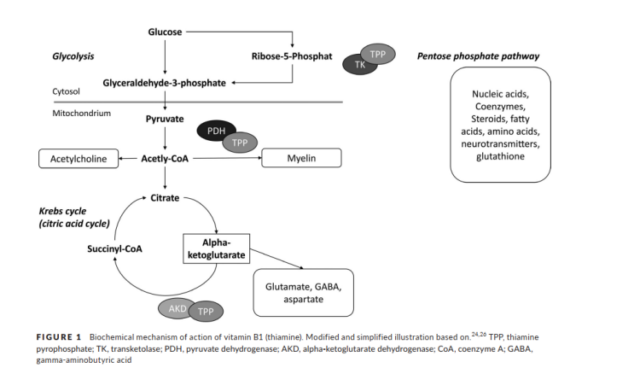
Vitamin B1 participates in numerous fundamental physiological functions, most importantly acting as a coenzyme in glucose metabolism. Thiamine supports energy provision for nerve cells in the form of ATP and NADPH via the pentose phosphate pathway, glycolysis, and the Krebs cycle. Maintaining this energy source is vital, as nerve cells consume massive amounts of energy but have almost no storage capacity.
Particularly in diabetic polyneuropathy, hyperglycemia triggers toxic metabolic pathways such as the polyol pathway, hexosamine, Advanced Glycation End-products (AGEs), and protein kinase C (PKC). These pathways cause oxidative stress, neuroinflammation, and nerve damage. Thiamine and its lipid-soluble derivative, benfotiamine, can directly inhibit these metabolic disorders, protecting nerves from the negative impacts of high blood sugar.
Furthermore, thiamine’s ability to generate reducing energy provides strong antioxidant properties, protecting cells from Reactive Oxygen Species (ROS) while directly participating in myelin synthesis.
2. Vitamin B6 (Pyridoxine): Neurotransmitter Balance and Pain Relief
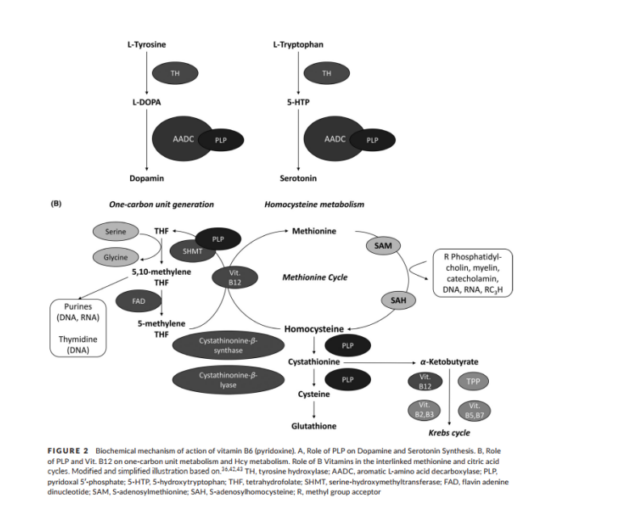
Vitamin B6 (primarily active as pyridoxal 5′-phosphate - PLP) has over 140 distinct functions, most notably its direct involvement in the synthesis of neurotransmitters such as dopamine, serotonin, and gamma-aminobutyric acid (GABA).
The neuroprotective role of pyridoxine is closely related to its control over the glutamatergic system. GABA is a crucial inhibitory neurotransmitter; its deficiency can cause excessive excitation (e.g., seizures), whereas B6 supplementation helps restore GABA levels and halt abnormal impulse firing.
Vitamin B6 also offers pain relief by presynaptically inhibiting the release of neurotransmitters at nociceptive afferent fibers. In diabetic patients, the demand for vitamin B6 often increases, creating a pathological cycle if not supplemented promptly.
3. Vitamin B12 (Cobalamin): Myelin Restoration and Nerve Regeneration
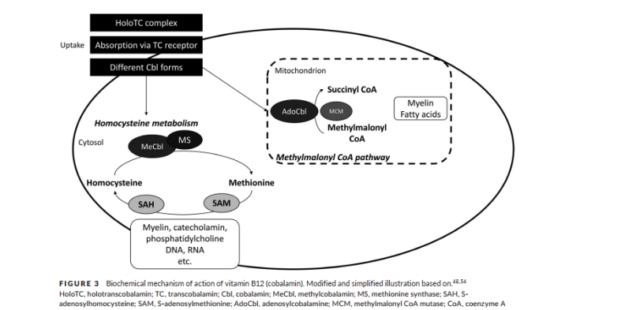
Vitamin B12 is indispensable for the body’s structure, playing a key role in the DNA synthesis of myelin-producing cells (oligodendrocytes) and the formation of the myelin sheath. The myelin sheath wraps around nerve axons, insulating them and accelerating nerve impulse conduction. By maintaining myelination, cobalamin actively supports the regeneration and recovery of damaged nerves.
A highly critical clinical note regarding diabetic polyneuropathy is the impact of metformin. Prolonged use of metformin has been proven to reduce vitamin B12 levels and increase MMA levels, exacerbating neuropathy symptoms. Therefore, the American Diabetes Association (ADA) strongly recommends periodic screening and B12 supplementation for long-term metformin users. Supplying high-purity cobalamin is the primary focus of an international Vitamin B complex injection manufacturer like Vinphaco.
4. The Synergistic Effect: A Perspective from a Vitamin B Complex Injection Manufacturer
Polyneuropathy is a complex, multifactorial process involving oxidative stress and demyelination. Therefore, combining the three neurotropic vitamins B1, B6, and B12 produces a strong synergistic effect, offering far greater benefits than monotherapy.
In this synergistic mechanism:
-
Vitamin B1 acts as an antioxidant and energy maintainer.
-
Vitamin B6 ensures the metabolic balance of neurotransmitters.
-
Vitamin B12 focuses on restoring and regenerating the myelin structure.
This combination is decisive in modulating Wallerian degeneration, directing it toward active nerve and myelin regeneration. Clinical studies indicate that high-dose combined supplementation significantly reduces the Total Symptom Score (TSS)—including numbness, sharp pain, and paresthesia—within just 14 days of treatment.
5. Clinical Recommendations and Treatment Approach
When a patient is diagnosed with polyneuropathy, combination B-vitamin therapy can be used as monotherapy or adjunctive treatment with standard neuropathic pain medications (such as TCAs, SNRIs, or gabapentin). Since standard medications can cause severe side effects, combining them with B vitamins helps reduce chemical dosages, limit toxicity, and increase adherence.
Clinical recommendations for high-dose combination therapy typically range: Vitamin B1 (100-600 mg/day), Vitamin B6 (100-600 mg/day), and Vitamin B12 (400-5000 mcg/day). However, patients should not abuse them; excessively high doses of B6 (over 500mg/day) for prolonged periods (over 6 months) can rarely cause reversible sensory neuropathy. Sourcing these therapies from a proven Vitamin B complex injection manufacturer ensures absolute clinical efficacy.
Conclusion
Neurotropic B vitamins (B1, B6, B12) play a central and specific biological role in maintaining the integrity of the Central and Peripheral Nervous Systems.
*** As a reliable Vitamin B complex injection manufacturer, Vinphaco strictly adheres to international GMP-WHO standards to produce high-purity neurotropic therapies. For international distributors seeking a trustworthy Vietnam pharmaceutical manufacturer for B2B export, contact our Export Department today. We provide full CTD Dossiers and contract manufacturing services to meet global healthcare demands. For further clinical guidelines, visit the American Diabetes Association.