
 العربية
 Français
 Português
 Русский
 Español
 Uzbek
Uzbek
 Myanmar
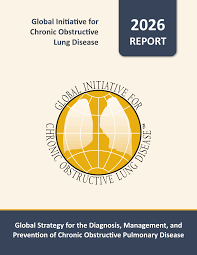
Chronic Obstructive Pulmonary Disease (COPD) is a heterogeneous respiratory condition characterized by chronic symptoms (such as dyspnea, cough, and sputum production) and persistent airflow limitation. With the release of the Global Strategy for the Diagnosis, Management, and Prevention of COPD (GOLD) 2026 Report (the 6th major revision), multiple perspectives on epidemiology, classification, and treatment philosophy have been reshaped toward earlier intervention and more effective disease management.
As a dedicated nebulizer pharmaceutical manufacturer, we aim to provide comprehensive clinical insights into these updates and the crucial role of inhalation therapies.
1. The Updated Epidemiological Landscape of COPD in 2026
COPD continues to be a leading cause of morbidity and mortality globally, with an escalating economic and social burden. According to the latest epidemiological data from the GOLD 2026 report, the global number of COPD patients is projected to surge in the coming decades, approaching 600 million individuals by 2050. Notably, this increase will be more pronounced among females and in low- and middle-income countries (LMICs). This rise results from continued exposure to risk factors (tobacco smoke, indoor/outdoor air pollution from biomass fuel) combined with global population aging.
Accompanied by this increasing prevalence is a massive economic burden. GOLD 2026 data estimates that by 2050, global direct costs related to COPD will reach $24.35 trillion USD (a 526% increase from 2025), with indirect costs around $15.43 trillion USD, and exacerbation treatment costs alone accounting for $15.60 billion USD.
Although COPD is preventable and treatable, underdiagnosis, misdiagnosis, and late diagnosis remain major global challenges, preventing patients from accessing proper treatments. Addressing these global treatment gaps requires the reliable supply chain of a dedicated nebulizer pharmaceutical manufacturer.
2. Key Updates in COPD Management According to GOLD 2026
The GOLD 2026 report introduces systemic changes in the approach to COPD treatment:
- Reclassification of Group E and Exacerbation Risk Assessment: Evidence from recent observational studies indicates that even a single moderate or severe exacerbation before starting maintenance therapy significantly increases the risk of future events. Therefore, the threshold for Group E classification has been lowered: patients with at least one (≥ 1) moderate or severe exacerbation in the past year are now classified into Group E. This aims to promote earlier treatment escalation. For Group E patients, the recommended initial regimen is dual bronchodilation (LABA + LAMA), considering Inhaled Corticosteroids (ICS) if blood eosinophils are ≥ 300 cells/µL.
- “Disease Stability” and “Disease Activity”: For the first time, GOLD 2026 introduces these terms. Treatment must aim for “Disease Stability”—returning the patient to a low disease activity state, characterized by the absence of exacerbations, no worsening of symptoms, and no rapid decline in lung function. Achieving this stability heavily depends on quality medications produced by a top-tier nebulizer pharmaceutical manufacturer.
- Separation of Initial and Follow-up Treatment: The report emphasizes the difference between INITIAL pharmacological treatment for newly diagnosed patients and FOLLOW-UP pharmacological treatment. In the follow-up phase, optimizing the regimen focuses on two main treatable traits: persistent dyspnea and exacerbation frequency.
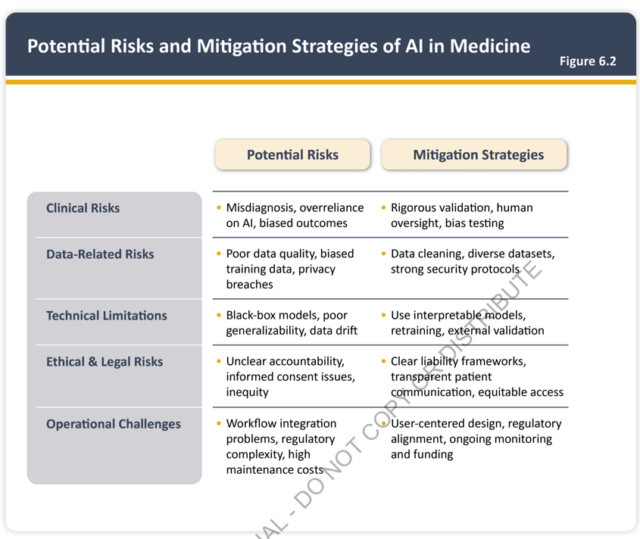
- Vaccines and Artificial Intelligence (AI): Guidelines for RSV and influenza vaccines have been updated. Furthermore, GOLD 2026 adds Chapter 6 on AI and remote monitoring to improve early diagnosis and manage complex multimorbidities in COPD patients.
3. The Vital Role of Inhaled Bronchodilators in the New Paradigm
To achieve the strict “Disease Stability” goal, proper drug delivery is decisive. Most COPD medications (SABA, SAMA, LABA, LAMA, ICS) are administered via inhalation.
Device Customization and Efficacy
According to GOLD 2026, randomized controlled trials do not show the superiority of one device type over another (including nebulizers vs. handheld devices like pMDI, DPI, SMI), provided the patient uses the device correctly. However, for older or frail COPD patients with suboptimal peak inspiratory flow, using a nebulizer is an excellent alternative. It ensures medication reaches the bronchioles without requiring strong inhalation force. As a specialized nebulizer pharmaceutical manufacturer, we recognize that preventing inhaler technique errors is vital for cost control and disease management.
Exacerbation Management
With the new criteria, managing exacerbations is critical. Short-acting bronchodilators are recommended as initial therapy for acute exacerbations. Increasing the bronchodilator dose significantly above the maintenance dose, especially via a nebulizer, has been proven to provide marked subjective improvement during exacerbations. Nebulizers deliver a larger drug volume, rapidly dilating bronchial smooth muscle and reducing dynamic hyperinflation, thereby immediately decreasing the work of breathing and dyspnea. This is exactly why hospitals rely on a trusted nebulizer pharmaceutical manufacturer for fast-acting liquid respiratory medications.
Compliance and Symptom Control
If dyspnea persists despite long-acting bronchodilators, GOLD 2026 advises switching inhaler devices or combining medications. Modern nebulizer systems, combined with self-management education, can enhance compliance and resolve persistent dyspnea, improving the patient’s quality of life.
Conclusion
The GOLD 2026 report marks a shift from passive treatment to proactive intervention. Facing the burden of 600 million projected cases by 2050, fully utilizing bronchodilators via inhalation systems (inhalers, nebulizers) and ensuring technique compliance is the key.
*** As a reliable nebulizer pharmaceutical manufacturer operating under strict GMP-WHO standards, we are committed to providing high-quality respiratory solutions. Partnering with a proven nebulizer pharmaceutical manufacturer ensures a robust supply chain for essential COPD therapies. [Contact our Export Department] today to explore our contract manufacturing capabilities. For full clinical guidelines, review the [GOLD 2026 Report].