
 English
 العربية
 Français
 Русский
 Español
 Uzbek
 Myanmar
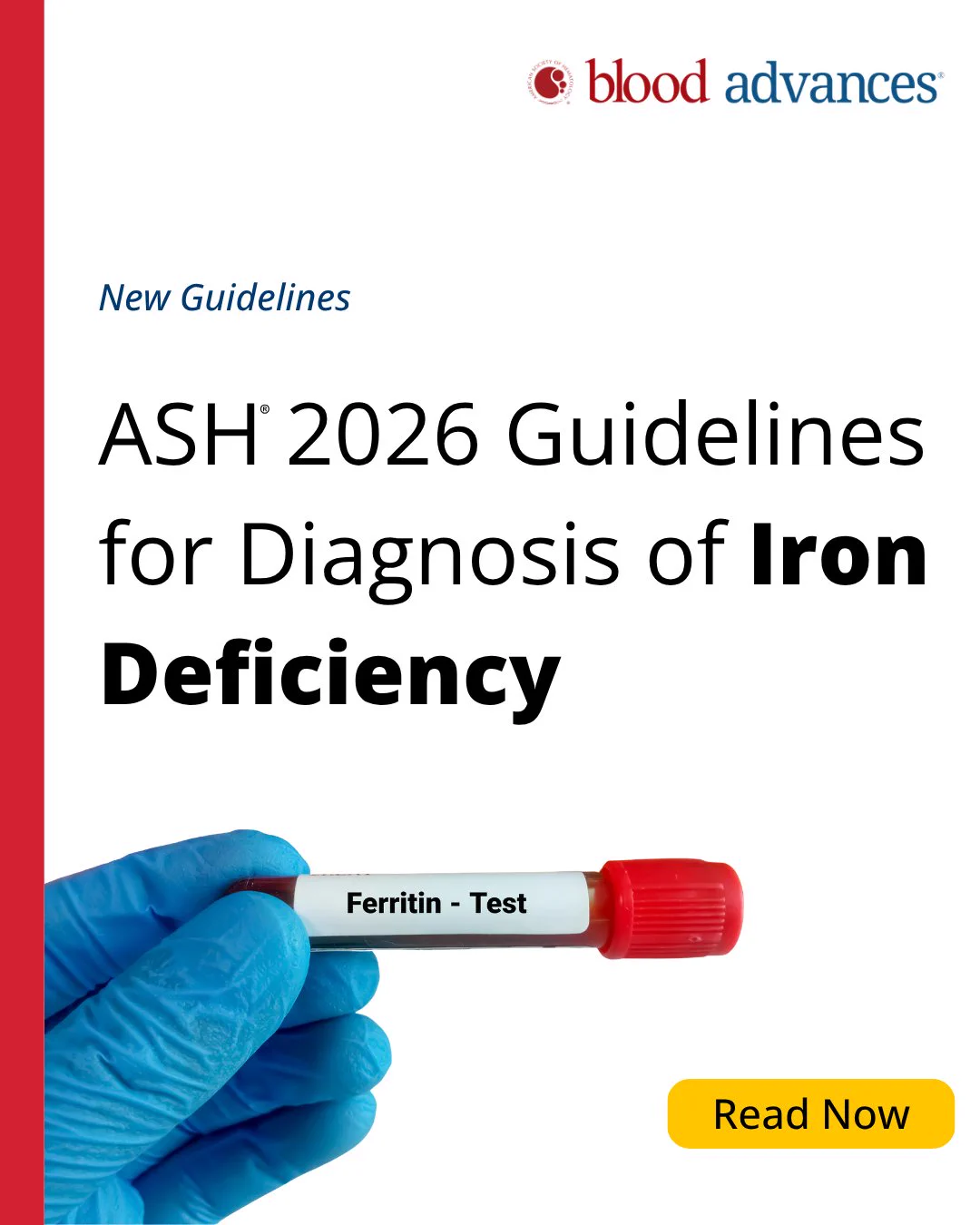
ASH 2026 Guidelines is released by American Society of Hematology (ASH) in September 2026 the latest version on iron deficiency diagnosis, establishing higher serum ferritin thresholds for different patient populations and recommending a shift to Clinical Decision Limits (CDLs). This VINPHACO medical review provides a detailed analysis of the updated recommendations to help clinicians optimize early detection and treatment.
Iron Deficiency: A Persistent Global Health Challenge
Iron deficiency remains the most common micronutrient deficiency worldwide, affecting individuals across all age groups and exerting a substantial impact on public health. When left undetected and untreated, iron deficiency can progress to iron deficiency anemia, the most prevalent hematologic disorder globally.
Notably, individuals with iron deficiency, even before anemia develops and while hemoglobin levels remain within the normal range, may experience significant impairment in physical performance, cognitive function, and overall quality of life. Common symptoms include chronic fatigue, impaired concentration, restless legs syndrome, pica (including ice craving), headaches, reduced exercise tolerance, and mood disturbances.
Despite its broad clinical impact, iron deficiency continues to be underdiagnosed and undertreated worldwide. This is largely attributed to insufficient screening among high-risk populations and the continued use of inconsistent or outdated laboratory reference ranges. To address these challenges, the American Society of Hematology (ASH) released the ASH 2026 Guidelines for the Diagnosis of Iron Deficiency, developed using the rigorous GRADE methodology and designed to facilitate earlier identification and treatment of patients with iron deficiency.
1. Key Recommendations on Serum Ferritin Thresholds by Patient Population
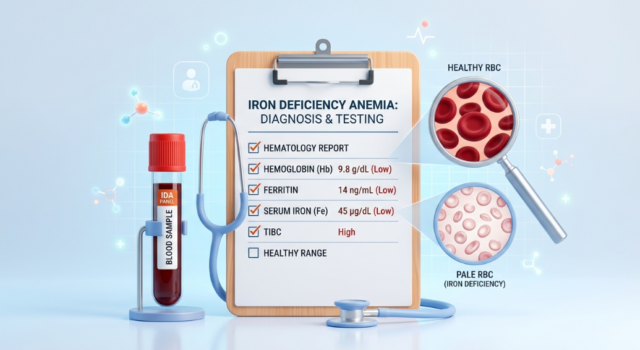
ASH identifies serum ferritin as the preferred laboratory marker for assessing body iron stores because of its widespread availability, accessibility, and ability to accurately reflect iron reserves in the absence of acute inflammation.
The table below summarizes the newly recommended diagnostic thresholds:
| Patient Population | ASH 2026 Diagnostic Threshold | Expanded Threshold / Clinical Notes |
|---|---|---|
| Children (9 months-4 years) | Serum Ferritin ≤ 20 ng/mL (previously ≤ 12 ng/mL) | For children >4 years to puberty, ≤20 ng/mL may be applied indirectly. Adolescents without menstruation should use <30 ng/mL. |
| Adults without menstruation / not pregnant | Serum Ferritin ≤ 30 ng/mL (previously ≤ 15 ng/mL) | Use ≤50 ng/mL in symptomatic patients (fatigue, pica) or those with risk factors such as gastric bypass surgery or frequent blood donation. |
| Menstruating women | Serum Ferritin ≤ 30 ng/mL (ASH recommends against ≤15 ng/mL) | Use ≤50 ng/mL in cases of abnormal uterine bleeding (AUB), heavy menstrual bleeding (HMB), preoperative evaluation, or planned pregnancy. |
| Pregnant women | Serum Ferritin ≤ 30 ng/mL (strong recommendation against ≤15 ng/mL) | Consider ≤50 ng/mL in pregnant patients with concurrent anemia requiring prompt iron replacement. |
| Patients with chronic inflammatory conditions | TSAT <20% OR Serum Ferritin <100 ng/mL | Ferritin and TSAT must be evaluated together. Applies to CKD, heart failure, IBD, and cancer patients. |
Recommendation 1: Diagnosis of Iron Deficiency in Children
For children aged 9 months to 4 years, ASH recommends increasing the serum ferritin diagnostic threshold to ≤20 ng/mL, replacing the previous WHO threshold of ≤12 ng/mL.
Although children possess smaller absolute iron stores than adults, their iron requirements per kilogram of body weight are substantially greater due to rapid physical growth and expansion of red blood cell mass. The higher threshold improves diagnostic sensitivity (from 0.44 to 0.74), minimizing false-negative results and enabling earlier iron supplementation. Timely treatment can help prevent irreversible neurodevelopmental, cognitive, and behavioral consequences associated with iron deficiency.
Recommendation 2: Diagnosis in Adults Without Menstruation and Not Pregnant
For adults who are neither menstruating nor pregnant, ASH recommends increasing the diagnostic ferritin threshold to ≤30 ng/mL instead of ≤15 ng/mL.
The guideline further emphasizes that clinicians should consider a threshold of ≤50 ng/mL in patients presenting with symptoms suggestive of iron deficiency, such as fatigue, cognitive impairment, pica, or hair loss, as well as in individuals with known risk factors including:
- History of bariatric or gastric surgery
- Celiac disease
- Frequent blood donation
- Chronic gastrointestinal blood loss
Using a higher clinical threshold facilitates earlier diagnosis and intervention before significant depletion of iron reserves occurs.
Recommendation 3: Women of Reproductive Age
ASH recommends applying a serum ferritin threshold of ≤30 ng/mL for menstruating women and advises against continued reliance on the traditional ≤15 ng/mL cutoff.
For women experiencing:
- Heavy menstrual bleeding (HMB)
- Abnormal uterine bleeding (AUB)
- Planned gynecological surgery
- Intended pregnancy
a threshold of ≤50 ng/mL is considered more clinically appropriate.
The guideline also recognizes comprehensive menstrual history assessment as a mandatory Good Practice Statement to identify and address underlying causes of ongoing blood loss.
Recommendation 4: Pregnant Women
During pregnancy, iron requirements increase substantially to support fetal development and placental growth.
ASH strongly recommends against using the ≤15 ng/mL threshold and instead supports a ferritin cutoff of ≤30 ng/mL throughout pregnancy, regardless of gestational age.
For pregnant women who have already developed anemia, a ferritin threshold of ≤50 ng/mL should prompt urgent iron replacement to reduce the risk of adverse outcomes, including:
- Preterm birth
- Low birth weight
- Postpartum hemorrhage
Early diagnosis and treatment are therefore essential components of maternal and fetal healthcare.
Recommendation 5: Adults with Chronic Inflammatory Conditions
In patients with chronic inflammatory diseases such as:
- Chronic kidney disease (CKD)
- Heart failure
- Inflammatory bowel disease (IBD)
- Cancer
- Rheumatologic disorders
serum ferritin levels may be falsely elevated because ferritin functions as an acute-phase reactant. Consequently, assessment based on ferritin alone may lead to missed diagnoses.
ASH recommends measuring both serum ferritin and transferrin saturation (TSAT) simultaneously.
Iron Deficiency Criteria in Chronic Inflammation (ASH 2026)
- TSAT <20%
- OR Serum Ferritin <100 ng/mL
- Technical requirement: TSAT testing should be performed using a fasting blood sample collected after 5-9 hours of fasting, including avoidance of oral iron supplements and vitamin preparations, as TSAT is highly influenced by recent dietary iron intake.
2. Transition from Lower Limit of Normal (LLN) to Clinical Decision Limits (CDLs)
One of the most transformative aspects of the ASH 2026 guideline is its recommendation to reform laboratory reporting practices.
Currently, most hospital and community laboratories report ferritin results according to the Lower Limit of Normal (LLN), which is derived from statistical distributions observed in reference populations. However, systematic reviews indicate that these historical reference cohorts often included a substantial proportion of individuals with unrecognized iron deficiency.
As a consequence, many laboratory reference intervals established LLN values as low as 10-15 ng/mL, falsely reassuring clinicians that patients with ferritin levels above these cutoffs possess adequate iron stores.
To address this issue, ASH encourages laboratories worldwide to adopt Clinical Decision Limits (CDLs) instead of solely relying on traditional reference ranges.
Under the CDL model, laboratory information systems should automatically flag ferritin results as abnormal whenever they meet clinically relevant decision thresholds (such as ≤30 ng/mL or ≤50 ng/mL, depending on patient characteristics), regardless of the instrument’s statistical reference interval.
The implementation of CDL-based reporting is expected to:
- Improve early recognition of iron deficiency
- Reduce missed diagnoses
- Standardize clinical decision-making
- Facilitate timely treatment interventions
A Call for Proactive Iron Deficiency Screening
In parallel with its diagnostic recommendations, ASH 2026 strongly advocates proactive ferritin screening for:
- Pregnant women
- Women of reproductive age
- Individuals with high-risk conditions
rather than waiting for declines in hemoglobin or mean corpuscular volume (MCV) to become apparent on routine blood counts.
Identifying iron deficiency before anemia develops allows clinicians to initiate appropriate iron replacement therapy, whether through oral supplementation or intravenous administration, thereby improving patient outcomes and quality of life.
VINPHACO’s Commitment to Advancing Iron Deficiency Management
As a trusted Vietnamese pharmaceutical manufacturer and exporter, VINPHACO (Vinh Phuc Pharmaceutical Joint Stock Company) remains committed to continuously updating its practices in line with the latest international medical guidelines and treatment standards.
Recognizing the growing demand for iron replacement therapy driven by the ASH 2026 recommendations, VINPHACO is dedicated to maintaining and expanding its portfolio of high-quality therapeutic solutions, including next-generation oral iron formulations with enhanced tolerability and GMP-compliant intravenous iron products.
Through reliable manufacturing, international-quality standards, and a strong commitment to healthcare innovation, VINPHACO aims to support healthcare professionals, business partners, and global export markets in improving patient outcomes and advancing community health worldwide.
References
Powers JM, et al. American Society of Hematology 2026 Guidelines for Diagnosis of Iron Deficiency. Blood Advances. 2026; bloodadvances-2025015950.